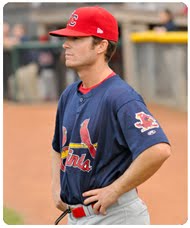
So we have already discussed what makes up the process of long toss, how far you should be throwing the baseball, how often, and for what specific amount of time. The next area we need to discuss is varying the workouts.
There are an infinite number of ways to workout or train your arm as a pitcher. People use bands, weighted balls, medicine balls, tubing, etc...but in my opinion there still is only one way to train your arm as a pitcher and that is to throw. So the next topic of "varying workouts" is a great topic to be discussing. Instead of using all the products that are out there on the market today, why not just take it back to the good old days and use your arm. That is not to say that there is no need for those products, but they should not replace the real work of throwing in any way. Those products should be used as a way to prehab or rehab a pitcher's arm.
During your off season throwing program, once you are back into shape and ready to test yourself, challenge your arm by varying your workouts. What I mean by this is making up certain goals for specific workouts and not just throwing a normal long toss program each time you go out to throw. The options are obvious but you can get as creative as you like. Perform distance workouts, velocity workouts, accuracy workouts, or even combine all three.
Distance workouts are just as it sounds. Throw a baseball as far as you can (using efficient mechanics of course, don't just let your hard work go to waste) and make sure you mark your distance. This way you will be able to test yourself each time you throw for distance and watch firsthand how much your arm has been able to extend itself.
Velocity workouts may be tough if you don't have a partner or a radar gun. If you do not, basically throw into a designated area at a distance of 60 feet or whatever your mound of competition is placed at. Then let it rip. This workout is not for accuracy or consistency. You want to throw hard and let things loose. Remain athletic and free and see how hard you can throw a baseball. If you happen to have a radar gun you can test yourself. Try different tempos and other mechanical processes to see what is working best for you. If the radar gun reading goes up, continue to pinpoint what it is you are doing to make that happen. If the radar gun is going down, try something else. Filming these sessions would be smart if you are able to do so.
Accuracy workouts could be quite beneficial if you make sure and work at a consistent output level. What this means is do not try and slow things down just to attempt to hit a target. Maintain the athletic movements and intensity level you will need to succeed at higher levels. The accuracy will come as long as you continue to push yourself and not give in. When first starting these types of workouts you could have an oversized zone to throw in. Allow yourself to feel the freedom of your body and its movement and how easy it is to hit the zone with those types of mechanics. As you begin to feel comfortable and easy with this zone, tighten it up a bit and repeat the process. You could even designate small areas inside the strike zone to hit as you become more accelerated in your accuracy workouts. Take your time with this step. Remember, the goal is to be accurate with freedom of your delivery. If you don't feel free and aggressive moving to your target, stop where you are and make it easier on yourself. Move forward accordingly.
Varying your workouts and being creative will assist in making this process of throwing more fun. Remember, don't be too serious about all this but be focused in your workout process. Challenge yourself and see how great it feels to set a goal and accomplish it. Varying your workouts is a great arena to start developing confidence while keeping things fresh. Enjoy your long toss!!!
Showing posts with label long toss. Show all posts
Showing posts with label long toss. Show all posts
Wednesday, January 27, 2010

Thursday, January 21, 2010
The Process of Long Toss-Part 3
We are now on the third post in regards to the long toss process. How far you should throw a baseball during your long toss program and how much time you should spend throwing during a long toss program have already been discussed. So let's move on to the next process...
How Often Should I Throw?
The question you really want to ask is how often should I not throw. Becoming a successful pitcher in baseball is obviously a very tough thing to accomplish. The amount of work that needs to be put in over the years is truly astounding. Of course, it is never truly work if you love the game and are enjoying the process, but time spent is definitely needed. Whether you are a young athlete in little league or a more established pitcher at the college or professional level, you should be throwing at least four to six times a week during the off season and five to seven times a week in season.
Now, this is where an individual pitcher and maybe even their parents, depending on their age, need to monitor what is going on. Even though I say you basically need to be throwing everyday of the week in season and off season, there needs to be a complete resting period as well. After the end of a season there should be an extended period of complete rest. This means do not throw a baseball at all. The amount of time a pitcher should take off is really up to them. The questions you could ask yourself are how long was the season, how many innings did you throw during the season, and how long do you have before the next season begins. A rule of thumb would be somewhere around three weeks. For a young little league athlete, taking time off could be easier because they usually are playing different sports throughout the year and so time off of baseball virtually takes care of itself. However, if you truly want to become an outstanding pitcher, don't wait until the next baseball season to start throwing again. Take your needed time off after the season is over but then work in throwing sessions while you are still playing the other sports.
What I am referring to when I list the amount of days during a week a young kid or adult athlete needs to throw in the off season is when they are gearing up for a season. A high school, collegiate or professional athlete may need two months or longer before a season begins. A little league aged athlete may only need a couple months or less prior to a season. For a little league athlete it really depends on how serious they are at becoming a prospective collegiate or professional athlete. If so, they may want as much time to prepare for a season as a professional. I have heard stories of kids throwing all year around from very early in their lives. However, if you have taken some time off between seasons and from your throwing schedule, take your time as you first start out working back into throwing shape. Start with a smaller amount of days that you throw during the week and work up to more. Also, make the workouts less intense at first until you know you are in shape to handle more. Once you get back into the flow of things and you know you are in top throwing shape you could add in mound sessions to work on things for the upcoming season.
Sunday, January 17, 2010
The Process of Long Toss-Part 2
In the last blog I introduced the process of long toss and discussed how far a pitcher should throw the baseball during their long toss program. In part 2 we are going to discuss how much time should be spent during your long toss workouts.
How Much Time Should I Spend Throwing?
Time spent for each throwing session is going to depend on the individual and what the circumstances are for that week. A good rule of thumb is at least a ten-minute session during the season and however long you would like to throw during the off season, each time you throw. This will allow the body enough time, as long as your movement is good, to flush itself of any unwanted soreness or tightness as well as give you enough of a workout to further instill proper movement patterns into your body's map.
During the season, throwing sessions may not go much past a ten minute time period. This would of course depend on whether you are a starter or a reliever, when you pitched last, when you are going to pitch again, and how your body feels that specific day. However, my suggestion is to at least attempt the ten minutes each and every time you throw. On a longer distance day it will be easier to throw past the ten-minute mark. The days where you are not moving back that far are the days you want to make sure you are still getting the repetitions in that are needed. For example, if you are only going to throw 90 feet on a certain day and it only takes you five minutes to back up that far, stay there and continue throwing at whatever intensity level works for you that day for at least another five minutes.
My experience with this type of program at the professional level has really opened my eyes to how well this truly works. It does take a bit of getting used to and changing your mental mind state to make this work. But once you have done so this will work great. On several occasions I have had professional pitchers tell me how much they doubted the ten-minute program, combined with throwing at least 6 days a week, if not everyday. However, after attempting the program for at least 2 weeks the players immediately changed their pattern of thought. Their arms felt stronger, they were less sore between outings, they recovered faster, and they fatigued less quickly.
During the off season, workouts should extend much past the ten-minute time frame. This is the part of the year where there is no rush to get through your workout. The purpose is to take your time and sooth your arm. You should treat this like an aerobic workout for your arm. It is not uncommon to throw at least thirty minutes if taking the proper time to back up and throw a baseball as far as you can.
Make sure and use your entire body when throwing long toss. Try standing sideways to your target before you start and allowing yourself a couple of steps or shuffles prior to throwing. Remember, it is all the body, all the time when you pitch. Make the entire body move aggressively and smoothly as you move to throw the baseball. Have fun and make it a relaxing and joyous experience, try never to just go through the motions. Enjoy, part 3 is on its way!
Wednesday, January 13, 2010
The Process of Long Toss-Part 1
There are several approaches to a good long toss program. Through my own personal experience of performing a long toss program when I was playing, witnessing the long toss program I implement for my clients, and from viewing the same type of long toss program for the five years I have coached in professional baseball, I have become very confident in the program I currently implement. The following blog series about long toss will delve into all aspects of a long toss program and how to implement it during the season and also the off season.
How far should I throw a baseball?
The first topic discussed in a long toss program is how far the athlete should throw a baseball. During any given day that number could vary. How many days a pitcher throws during the week, whether it is off season or in season, how intense the workouts were during the week, and much more all go into deciding how far a pitcher should throw on a given day during a long toss program. Don't let the name fool you. Just because it says "long toss program" doesn't mean you need to throw as far as you can and ignore what your body is telling you.
A good answer to the question of how far should a pitcher throw in a long toss program is however long your body allows you to throw for that specific day. Normally a pitcher should try to throw the baseball as far as they can each day that they throw. However, there are plenty of variables one should be aware of. If you are in the off season and working on creating more arm strength and endurance, then I would suggest consistently throwing a baseball as far as you can and then try to match or better that distance each workout. If you are in-season and you are pitching on a five day rotation you may only see fit to throw a baseball as far as you can once a week. The rest of the week would be set up based more on amount of time throwing a baseball (which we will discuss in the next blog) and what needs to be addressed prior to the next start. If you are a reliever during the season you may want to throw a baseball as far as you can quite often depending on the amount of game work you are getting. I understand this may vary from time to time during a season, but usually you can get a feel for how you are being used and when. Also, if you are a reliever you probably want to spend more time on throwing then actually pitching off a mound. Normally relievers will use a lot of flat ground work to keep their pitches sharp and use long toss as a way to keep their arm strength up during a season.
Overall, the distance you should throw a baseball is going to be different for each individual. Age, arm strength, arm endurance, in-season, off-season, etc...are all factors that will go into the answer of how far you should throw a baseball. Do what is best for you at the time. Remember to always listen to your body and it will let you know what you can handle on that specific day. Good luck and enjoy your long toss! Part 2 is on its way!
Overall, the distance you should throw a baseball is going to be different for each individual. Age, arm strength, arm endurance, in-season, off-season, etc...are all factors that will go into the answer of how far you should throw a baseball. Do what is best for you at the time. Remember to always listen to your body and it will let you know what you can handle on that specific day. Good luck and enjoy your long toss! Part 2 is on its way!
Saturday, December 26, 2009
Throwing vs. Pitching
Often I receive emails from prospective clients who have children that are 8 and 9 years of age asking what they can do to help their kids become pitchers. The answer I always give them is, "don't make them pitchers, make them throwers."
If you have a young athlete at home (ages 6-9) who wants to become a major league pitcher someday, enable your athlete to be a thrower first and a pitcher second.
It is very important to develop the athlete's throwing ability before ever thinking about the actual pitching process. The most important activity to practice with a young athlete is how to properly throw a baseball. Here are a few key components to becoming an effective thrower:
Any young athlete should be able to notice the freedom they have when throwing with a friend and using all of their body. Guide them toward feeling that same type of freedom when they get on the mound and see what they can come up with. Most times the kids will be able to figure out what is best for them all by themselves.
Rhythm, Tempo and Timing
Rhythm, tempo and timing are three very important parts to the throw and can be learned at very young ages. Try doing any type of drill but make sure the athlete is focusing on the fluidity of their movement––their rhythm––and how easy they can make the movement.
Running or skipping is a great way to illustrate tempo. Show them examples of moving too slow, too fast and then a happy medium. Let them figure out the right tempo while they throw a baseball. If they move too slow or too fast they should be able to recognize that and feel what that is like. Then help guide them towards that happy medium and ask them how their body and arm feel when they are throwing; they will be able to tell you exactly what worked and didn't work in each instance.
Timing refers to the process of taking the ball out of the glove and the time the athlete actually commits to the throw. Taking the ball out of the glove too soon is a big problem young throwers seem to experience often. Most people would think that taking the ball out of the glove early is better for young athletes to throw; they feel it helps get their arms into position to throw the baseball on time.
Watch your child throw and see what happens. If you are looking at rhythm, tempo and timing, you will be able to determine the right time for the athlete to take the ball out of the glove. The athletes will also be able to tell you whether they are on time for the throw. Too early will feel slow and heavy, too late will feel rushed and out of control, but on time will feel just that. It will feel smooth, easy and fluid and be very easy to notice.
If the athlete can do a traditional grip and has a big enough hand, make sure the thumb is directly in between the index and middle finger on the bottom part of the baseball. Simply point the baseball at yourself to check and see if your grip is correct. Rotation is the key when using the four-seam grip. Your throwing partner should see nothing but white coming at them if you are throwing the ball correctly with proper spin and rotation.
In addition to getting the arm in shape, long toss can also be used to steadily increase the distance a thrower can actually throw a baseball. If an athlete can throw a ball farther and farther as they use the long toss process, and is also able to use the athletic components in long toss and transfer that type of freedom to the mound, then the long toss will convert and the athlete will be able to throw the baseball harder when on the mound. This explains why athletes can gain plenty of distance on a long toss throw but for some reason are not able to throw with any type of real velocity on the mound (they are not able to maintain the athletic movement and freedom they have in a long toss throw on the mound).
In other words, if an athlete never learns the ability to throw a ball far (master long toss), they most likely will never be able to throw a ball with significant velocity on the mound. But if we can assist the athlete in creating as athletic of a throw on the mound as they use in long toss, it will transfer to the mound and the young athlete will be grateful for their long toss work.
Long toss is the most important technique that a young thrower can have. The ability to throw the ball far and understand the importance of long toss is invaluable. Avoid going too far into explaining the process; help them to understand the importance of using the entire body aggressively to throw the baseball and throwing the ball as far as you can when doing long toss. There is a complete art to long toss and it is a very satisfying and fun workout once the young athlete truly understands what long toss is all about.
Learning to be a Thrower
No matter the age, athleticism rules when you are an athlete and learning any type of sport. The most athletic kids will almost always be the best players at a young age, but that won't always be the case. Provide your young athlete with the proper knowledge and time in order to learn how to be a thrower. Young athletes at ages 6-9 have plenty of time but also need to start throwing and developing their craft at an early age. Remind your athlete that they don't need be in any rush to be the strongest, biggest, fastest kid on the field of play. No need to be discouraged; just have fun and start the process to success.
If you have a young athlete at home (ages 6-9) who wants to become a major league pitcher someday, enable your athlete to be a thrower first and a pitcher second.
It is very important to develop the athlete's throwing ability before ever thinking about the actual pitching process. The most important activity to practice with a young athlete is how to properly throw a baseball. Here are a few key components to becoming an effective thrower:
- Being athletic and using your body
- Rhythm, tempo and timing
- Grip
- Long toss
Being athletic and using your body to throw a baseball is very important when learning how to throw a baseball. 'All the body, all the time' is a great phrase to explain throwing. Always moving your feet to throw and not just taking one step, being aggressive with your steps towards the target, and remaining sideways as you move towards your target are simple ways to explain this process. A lot of the time pitchers make themselves into robots, thinking they need to look a certain way and be very controlled while on the mound. But when you are young, if you learn to throw the baseball with aggression and with your whole body moving with you, it will be easier to make that a part of your pitching process later on.
Any young athlete should be able to notice the freedom they have when throwing with a friend and using all of their body. Guide them toward feeling that same type of freedom when they get on the mound and see what they can come up with. Most times the kids will be able to figure out what is best for them all by themselves.
Rhythm, Tempo and Timing
Rhythm, tempo and timing are three very important parts to the throw and can be learned at very young ages. Try doing any type of drill but make sure the athlete is focusing on the fluidity of their movement––their rhythm––and how easy they can make the movement.
Running or skipping is a great way to illustrate tempo. Show them examples of moving too slow, too fast and then a happy medium. Let them figure out the right tempo while they throw a baseball. If they move too slow or too fast they should be able to recognize that and feel what that is like. Then help guide them towards that happy medium and ask them how their body and arm feel when they are throwing; they will be able to tell you exactly what worked and didn't work in each instance.
Timing refers to the process of taking the ball out of the glove and the time the athlete actually commits to the throw. Taking the ball out of the glove too soon is a big problem young throwers seem to experience often. Most people would think that taking the ball out of the glove early is better for young athletes to throw; they feel it helps get their arms into position to throw the baseball on time.
Watch your child throw and see what happens. If you are looking at rhythm, tempo and timing, you will be able to determine the right time for the athlete to take the ball out of the glove. The athletes will also be able to tell you whether they are on time for the throw. Too early will feel slow and heavy, too late will feel rushed and out of control, but on time will feel just that. It will feel smooth, easy and fluid and be very easy to notice.
Grip
Always work with a traditional four-seam grip when developing a young athlete's arm strength. If the athletes hand is too small you can always try a three finger grip. Just make sure the thumb is underneath the baseball and cuts right through the middle of the ball.If the athlete can do a traditional grip and has a big enough hand, make sure the thumb is directly in between the index and middle finger on the bottom part of the baseball. Simply point the baseball at yourself to check and see if your grip is correct. Rotation is the key when using the four-seam grip. Your throwing partner should see nothing but white coming at them if you are throwing the ball correctly with proper spin and rotation.
Long Toss
Long toss is one of the most important components to becoming an effective thrower. Long toss is also the key to creating the arm endurance and strength that every pitcher needs. Some people would say that long toss creates arm endurance but not arm strength. Long toss creates arm endurance AND it can also increase arm strength. However, if an athlete never increases the distance of their throws through long toss, they may never have the opportunity to throw with quality velocity on the mound.In addition to getting the arm in shape, long toss can also be used to steadily increase the distance a thrower can actually throw a baseball. If an athlete can throw a ball farther and farther as they use the long toss process, and is also able to use the athletic components in long toss and transfer that type of freedom to the mound, then the long toss will convert and the athlete will be able to throw the baseball harder when on the mound. This explains why athletes can gain plenty of distance on a long toss throw but for some reason are not able to throw with any type of real velocity on the mound (they are not able to maintain the athletic movement and freedom they have in a long toss throw on the mound).
In other words, if an athlete never learns the ability to throw a ball far (master long toss), they most likely will never be able to throw a ball with significant velocity on the mound. But if we can assist the athlete in creating as athletic of a throw on the mound as they use in long toss, it will transfer to the mound and the young athlete will be grateful for their long toss work.
Long toss is the most important technique that a young thrower can have. The ability to throw the ball far and understand the importance of long toss is invaluable. Avoid going too far into explaining the process; help them to understand the importance of using the entire body aggressively to throw the baseball and throwing the ball as far as you can when doing long toss. There is a complete art to long toss and it is a very satisfying and fun workout once the young athlete truly understands what long toss is all about.
Learning to be a Thrower
No matter the age, athleticism rules when you are an athlete and learning any type of sport. The most athletic kids will almost always be the best players at a young age, but that won't always be the case. Provide your young athlete with the proper knowledge and time in order to learn how to be a thrower. Young athletes at ages 6-9 have plenty of time but also need to start throwing and developing their craft at an early age. Remind your athlete that they don't need be in any rush to be the strongest, biggest, fastest kid on the field of play. No need to be discouraged; just have fun and start the process to success.
Subscribe to:
Posts (Atom)