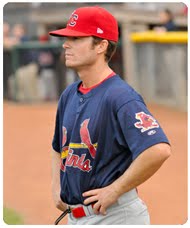
I was in the gym in Johnson City, TN today and doing my usual Z-health neural warm-up. This is a program I have become more and more familiar with over the past couple years as I have been taking their courses to increase my knowledge on the body. Anyways, this man came up to me and asked me what type of program I was doing because he had never seen the type of movements I was making. So we started chatting a little bit and from our conversation he thought I should write an article about the information I have come upon. It just so happens I have this blog and thought that wasn't such a bad idea!
Don't want to make this too complicated so I will explain it this way:
Muscles are dumb, they do nothing unless told to. Joint mobility is everything because if the joints don't move well, the signals from the nerves to the muscles do not get transferred properly. The key to working out is letting the muscles know they are about to get a workout in and to be ready to receive the information. The best way I have learned how to do that is working through the nervous system and the best way I learned how to do that is to learn how to move the joints.
Inside the joints, when you move them correctly, a liquid called synovial fluid is released into the joint to lube the area and fill it with good feelings (for lack of a better term). The receptors you have in the joint area are called mechanoreceptors and they receive this good feeling signal which helps the nerves which helps the muscles. All this together is allowing your body to be more aware of itself and where it is in space (proprioception). If you are more aware of yourself and how your body moves in space the better you are able to perform, naturally. Did you get all that? LOL... Makes perfect sense once you understand the concept and how the nervous system works.
The question is how does a person begin to learn how to move better so that the cycle can begin? Well, there is a company called ZHealth who has created courses and DVD's for people to become more familiar with this information. The great thing about this information is that it has been around since the beginning of time. The body and the nervous system works in a certain way and there is no way around it. If you are able to grasp the information and then use it, you can create your own program for you because in the end you should know yourself better then anyone else.
If this blog catches your attention at all and you would like to hear more about it check out Lou McGovern at www.essentialstrength.com or go to the Z Health website at www.zhealth.net
Good Luck and we will talk soon!!!!
Showing posts with label workouts. Show all posts
Showing posts with label workouts. Show all posts
Monday, June 28, 2010

Wednesday, January 27, 2010
The Process of Long Toss-Part 4
So we have already discussed what makes up the process of long toss, how far you should be throwing the baseball, how often, and for what specific amount of time. The next area we need to discuss is varying the workouts.
There are an infinite number of ways to workout or train your arm as a pitcher. People use bands, weighted balls, medicine balls, tubing, etc...but in my opinion there still is only one way to train your arm as a pitcher and that is to throw. So the next topic of "varying workouts" is a great topic to be discussing. Instead of using all the products that are out there on the market today, why not just take it back to the good old days and use your arm. That is not to say that there is no need for those products, but they should not replace the real work of throwing in any way. Those products should be used as a way to prehab or rehab a pitcher's arm.
During your off season throwing program, once you are back into shape and ready to test yourself, challenge your arm by varying your workouts. What I mean by this is making up certain goals for specific workouts and not just throwing a normal long toss program each time you go out to throw. The options are obvious but you can get as creative as you like. Perform distance workouts, velocity workouts, accuracy workouts, or even combine all three.
Distance workouts are just as it sounds. Throw a baseball as far as you can (using efficient mechanics of course, don't just let your hard work go to waste) and make sure you mark your distance. This way you will be able to test yourself each time you throw for distance and watch firsthand how much your arm has been able to extend itself.
Velocity workouts may be tough if you don't have a partner or a radar gun. If you do not, basically throw into a designated area at a distance of 60 feet or whatever your mound of competition is placed at. Then let it rip. This workout is not for accuracy or consistency. You want to throw hard and let things loose. Remain athletic and free and see how hard you can throw a baseball. If you happen to have a radar gun you can test yourself. Try different tempos and other mechanical processes to see what is working best for you. If the radar gun reading goes up, continue to pinpoint what it is you are doing to make that happen. If the radar gun is going down, try something else. Filming these sessions would be smart if you are able to do so.
Accuracy workouts could be quite beneficial if you make sure and work at a consistent output level. What this means is do not try and slow things down just to attempt to hit a target. Maintain the athletic movements and intensity level you will need to succeed at higher levels. The accuracy will come as long as you continue to push yourself and not give in. When first starting these types of workouts you could have an oversized zone to throw in. Allow yourself to feel the freedom of your body and its movement and how easy it is to hit the zone with those types of mechanics. As you begin to feel comfortable and easy with this zone, tighten it up a bit and repeat the process. You could even designate small areas inside the strike zone to hit as you become more accelerated in your accuracy workouts. Take your time with this step. Remember, the goal is to be accurate with freedom of your delivery. If you don't feel free and aggressive moving to your target, stop where you are and make it easier on yourself. Move forward accordingly.
Varying your workouts and being creative will assist in making this process of throwing more fun. Remember, don't be too serious about all this but be focused in your workout process. Challenge yourself and see how great it feels to set a goal and accomplish it. Varying your workouts is a great arena to start developing confidence while keeping things fresh. Enjoy your long toss!!!
There are an infinite number of ways to workout or train your arm as a pitcher. People use bands, weighted balls, medicine balls, tubing, etc...but in my opinion there still is only one way to train your arm as a pitcher and that is to throw. So the next topic of "varying workouts" is a great topic to be discussing. Instead of using all the products that are out there on the market today, why not just take it back to the good old days and use your arm. That is not to say that there is no need for those products, but they should not replace the real work of throwing in any way. Those products should be used as a way to prehab or rehab a pitcher's arm.
During your off season throwing program, once you are back into shape and ready to test yourself, challenge your arm by varying your workouts. What I mean by this is making up certain goals for specific workouts and not just throwing a normal long toss program each time you go out to throw. The options are obvious but you can get as creative as you like. Perform distance workouts, velocity workouts, accuracy workouts, or even combine all three.
Distance workouts are just as it sounds. Throw a baseball as far as you can (using efficient mechanics of course, don't just let your hard work go to waste) and make sure you mark your distance. This way you will be able to test yourself each time you throw for distance and watch firsthand how much your arm has been able to extend itself.
Velocity workouts may be tough if you don't have a partner or a radar gun. If you do not, basically throw into a designated area at a distance of 60 feet or whatever your mound of competition is placed at. Then let it rip. This workout is not for accuracy or consistency. You want to throw hard and let things loose. Remain athletic and free and see how hard you can throw a baseball. If you happen to have a radar gun you can test yourself. Try different tempos and other mechanical processes to see what is working best for you. If the radar gun reading goes up, continue to pinpoint what it is you are doing to make that happen. If the radar gun is going down, try something else. Filming these sessions would be smart if you are able to do so.
Accuracy workouts could be quite beneficial if you make sure and work at a consistent output level. What this means is do not try and slow things down just to attempt to hit a target. Maintain the athletic movements and intensity level you will need to succeed at higher levels. The accuracy will come as long as you continue to push yourself and not give in. When first starting these types of workouts you could have an oversized zone to throw in. Allow yourself to feel the freedom of your body and its movement and how easy it is to hit the zone with those types of mechanics. As you begin to feel comfortable and easy with this zone, tighten it up a bit and repeat the process. You could even designate small areas inside the strike zone to hit as you become more accelerated in your accuracy workouts. Take your time with this step. Remember, the goal is to be accurate with freedom of your delivery. If you don't feel free and aggressive moving to your target, stop where you are and make it easier on yourself. Move forward accordingly.
Varying your workouts and being creative will assist in making this process of throwing more fun. Remember, don't be too serious about all this but be focused in your workout process. Challenge yourself and see how great it feels to set a goal and accomplish it. Varying your workouts is a great arena to start developing confidence while keeping things fresh. Enjoy your long toss!!!
Tuesday, December 15, 2009
The Complete Pitcher's Workout
Often parents ask me, "What should my son be doing for workouts to prepare for the season?" It's a great question for every young pitcher to ask himself. Every time a pitcher goes out to train they should know what they are going to do that day and what the focus of the workout is going to be. With a simple program, pitchers of any age can get the most out of their training time. There are several throwing programs that a pitcher can utilize in their training. The first is for a throwing workout.
The throwing workout program normally includes:
Body preparation
Long toss
Focused throwing
Arm care
Body work
Body Preparation
The first part of ANY throwing program or workout should be body preparation. A normal body preparation consists of three things: visual work, balance work and joint mobility work. The whole point in preparing your body for the training it is about to do is to wake up the nervous system. You want the body to respond to the work it is about to do and you also want the body to accept the work. This includes visual work, balance and joint mobility. The body preparation portion of the training session will assist in waking up your nervous system and will allow you to get the most out of your training for the day.
Long Toss
Once body preparation is finished it is time to move on to the throwing part of the workout. Long toss is what most people, including myself, like to call it. I will go into the particulars of long toss in later blogs, but the basis of long toss is to throw as far as you can for that specific day, nice and relaxed on the way out and then more intense on the way back in. A normal long toss period during off season training sessions may last anywhere from 30 minutes to an hour depending on how far that particular pitcher can throw a baseball. With long toss, there should be no rush to back up to the farthest distance; the pitcher should take their time. As for younger kids, naturally their long toss session may not be as long because they will not be able to throw the ball as far.
Focused Throwing
Immediately following the long toss portion of the training session there should be some sort of focused throwing. There can be several ways to use this portion of the workout including velocity work, command work, bullpens, flatground, working on off speed pitches and many more ideas. Whatever the pitcher chooses to work on that day is not as important as the focus they bring to the process.
Arm Care
Now we move on to the arm care portion of the session. For this part the pitcher should have a handful or so of exercises that assist in keeping the arm healthy. Scapula movement and rotator cuff exercises should be the focus. Making sure the body knows how to move the scapula properly and also doing maintenance work on the rotator cuff muscles in and around the shoulder should go a long way in keeping the pitcher's arm healthy.
Body Work
Last but not least in the training session should be some sort of body work. How many and the type of exercises the pitcher chooses depends on what type of weight training work they do during the week. All of the week's schedules, weight training, throwing, conditioning, etc. should all work together and be thought out before the week begins. This way the pitcher will know exactly what they need to be doing each day and how hard to push themselves depending on what type of training and intensity level they are using for the week.
Normally it is recommended to do some sort of cardiovascular work at the end of each training session. I usually have my guys doing short bursts of speed with small rests in between drills. If the pitcher is going to do strength exercises with cardiovascular work for that session, make sure to do the cardiovascular work first and then do the strength exercises. (There are all sorts of different point of views on this particular subject that also will be discussed in future blogs.)
Once the pitcher gets a feel for the workouts it is very easy to follow the program and plan out the workouts before they go to the field to throw. Remember to make the workouts as specific as possible but also make them as fun as possible. Try adding in fun games that are challenging and will also help with developing you into the pitcher you are wanting to become. We will discuss the individual parts of the entire training session in later blogs.
For now, have fun and enjoy!
The throwing workout program normally includes:
Body preparation
Long toss
Focused throwing
Arm care
Body work
Body Preparation
The first part of ANY throwing program or workout should be body preparation. A normal body preparation consists of three things: visual work, balance work and joint mobility work. The whole point in preparing your body for the training it is about to do is to wake up the nervous system. You want the body to respond to the work it is about to do and you also want the body to accept the work. This includes visual work, balance and joint mobility. The body preparation portion of the training session will assist in waking up your nervous system and will allow you to get the most out of your training for the day.
Long Toss
Once body preparation is finished it is time to move on to the throwing part of the workout. Long toss is what most people, including myself, like to call it. I will go into the particulars of long toss in later blogs, but the basis of long toss is to throw as far as you can for that specific day, nice and relaxed on the way out and then more intense on the way back in. A normal long toss period during off season training sessions may last anywhere from 30 minutes to an hour depending on how far that particular pitcher can throw a baseball. With long toss, there should be no rush to back up to the farthest distance; the pitcher should take their time. As for younger kids, naturally their long toss session may not be as long because they will not be able to throw the ball as far.
Focused Throwing
Immediately following the long toss portion of the training session there should be some sort of focused throwing. There can be several ways to use this portion of the workout including velocity work, command work, bullpens, flatground, working on off speed pitches and many more ideas. Whatever the pitcher chooses to work on that day is not as important as the focus they bring to the process.
Arm Care
Now we move on to the arm care portion of the session. For this part the pitcher should have a handful or so of exercises that assist in keeping the arm healthy. Scapula movement and rotator cuff exercises should be the focus. Making sure the body knows how to move the scapula properly and also doing maintenance work on the rotator cuff muscles in and around the shoulder should go a long way in keeping the pitcher's arm healthy.
Body Work
Last but not least in the training session should be some sort of body work. How many and the type of exercises the pitcher chooses depends on what type of weight training work they do during the week. All of the week's schedules, weight training, throwing, conditioning, etc. should all work together and be thought out before the week begins. This way the pitcher will know exactly what they need to be doing each day and how hard to push themselves depending on what type of training and intensity level they are using for the week.
Normally it is recommended to do some sort of cardiovascular work at the end of each training session. I usually have my guys doing short bursts of speed with small rests in between drills. If the pitcher is going to do strength exercises with cardiovascular work for that session, make sure to do the cardiovascular work first and then do the strength exercises. (There are all sorts of different point of views on this particular subject that also will be discussed in future blogs.)
Once the pitcher gets a feel for the workouts it is very easy to follow the program and plan out the workouts before they go to the field to throw. Remember to make the workouts as specific as possible but also make them as fun as possible. Try adding in fun games that are challenging and will also help with developing you into the pitcher you are wanting to become. We will discuss the individual parts of the entire training session in later blogs.
For now, have fun and enjoy!
Subscribe to:
Posts (Atom)